Algae-Based Carbon Sequestration
Algae-Based Carbon Sequestration
Chemistry
Patrick Deconinck
Copyrighted biotechnology using algae for large-scale carbon dioxide absorption and biomass production.
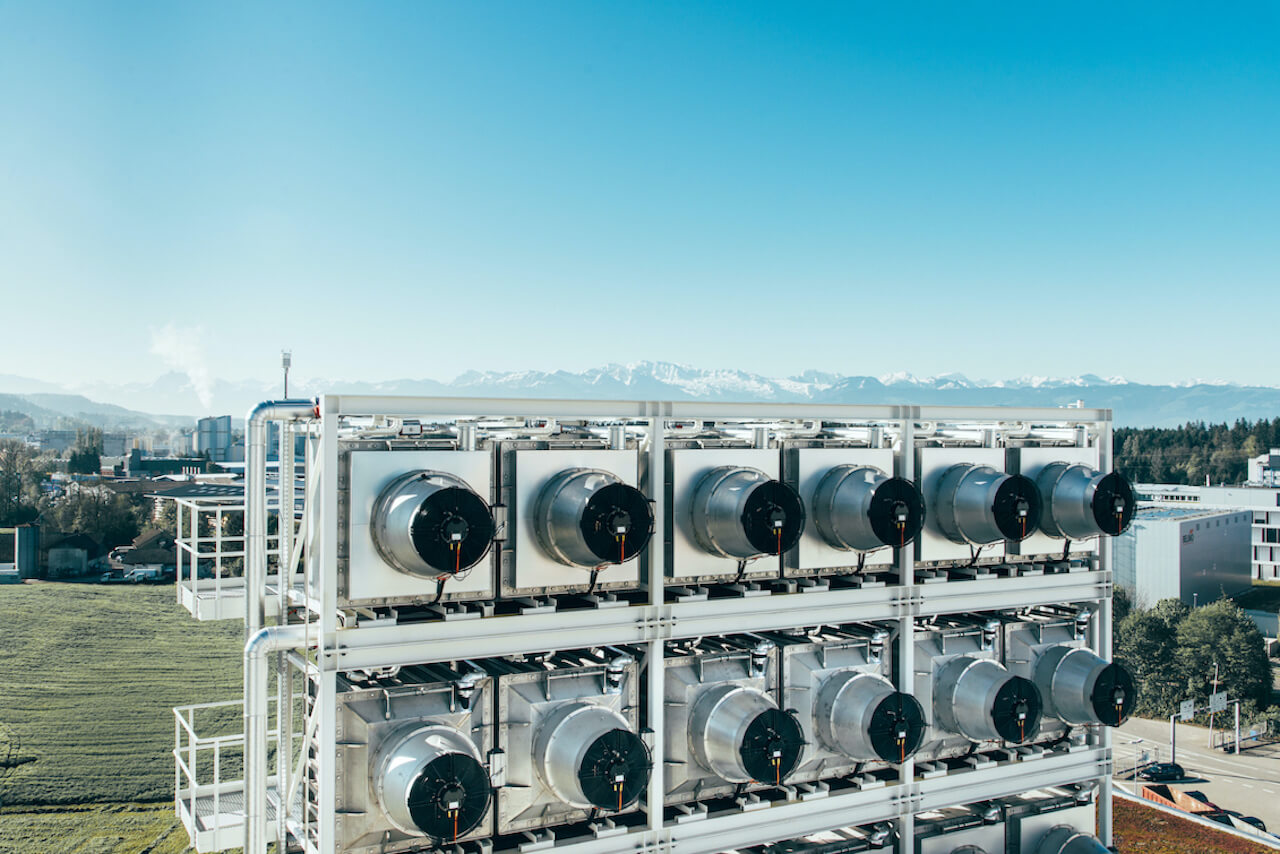
The copyrighted biotechnology utilizes a proprietary strain of algae, specifically selected for its exceptional carbon dioxide absorption capabilities and rapid biomass production. This microalgae strain, identified as 'Algen-123', is cultivated in large-scale photobioreactors that provide optimal growing conditions, including temperature control, nutrient supplementation, and precise light intensity. The photobioreactors are designed with a patented spiral-shaped configuration, allowing for maximum surface area exposure to light and efficient mixing, which enhances CO2 absorption rates and prevents algae sedimentation. The system also incorporates a proprietary CO2 capture technology, which involves the use of a semi-permeable membrane that selectively allows CO2 to pass through while maintaining optimal growing conditions within the reactor.The algae biomass produced through this process is then harvested and processed into various products, including biofuels, animal feed, and high-value biochemicals. The biofuels produced are certified carbon-neutral, as the CO2 emitted during combustion is equal to the CO2 absorbed by the algae during growth. The animal feed and biochemicals produced are also of high quality and purity, making them suitable for use in a variety of applications.The biotechnology also includes a sophisticated monitoring and control system, which utilizes advanced sensors and machine learning algorithms to optimize growing conditions, detect potential issues, and predict biomass production. This allows for real-time monitoring and control of the system, ensuring maximum efficiency and productivity. The data collected from the monitoring system is also used to continually improve and refine the biotechnology, ensuring it remains at the forefront of algae-based carbon sequestration and biomass production.
Carbon capture and utilization technology for industrial applications, enabling companies to reduce their carbon footprint and comply with environmental regulations.
Large-scale production of biofuels, such as biodiesel and bioethanol, from algae biomass, providing a sustainable alternative to fossil fuels.
Development of high-protein animal feed and nutritional supplements from algae biomass, supporting the growth of the animal agriculture and nutraceutical industries.
Production of high-value chemicals, such as pigments, dyes, and cosmetics, from algae-derived compounds, catering to the needs of the pharmaceutical and personal care industries.
Soil remediation and enhancement of soil fertility through the use of algae-based biofertilizers, promoting sustainable agriculture practices.
Integration with wastewater treatment systems to utilize CO2 and organic pollutants for algae growth, enabling water utilities to improve water quality and recover valuable resources.
Closed-loop systems for aquaculture, combining algae cultivation with fish or shellfish farming to create sustainable and efficient aquatic food production systems.
Bioremediation of contaminated sites, such as industrial wastelands and polluted water bodies, using algae to absorb heavy metals and other pollutants.
Production of bioplastics and biocomposites from algae-derived polymers, offering a sustainable alternative to traditional plastics.
Integration with building design and architecture to create algae-based green walls and roofs, enhancing urban air quality and aesthetics.
World Economic Forum
Audio and visual technology
View Patent