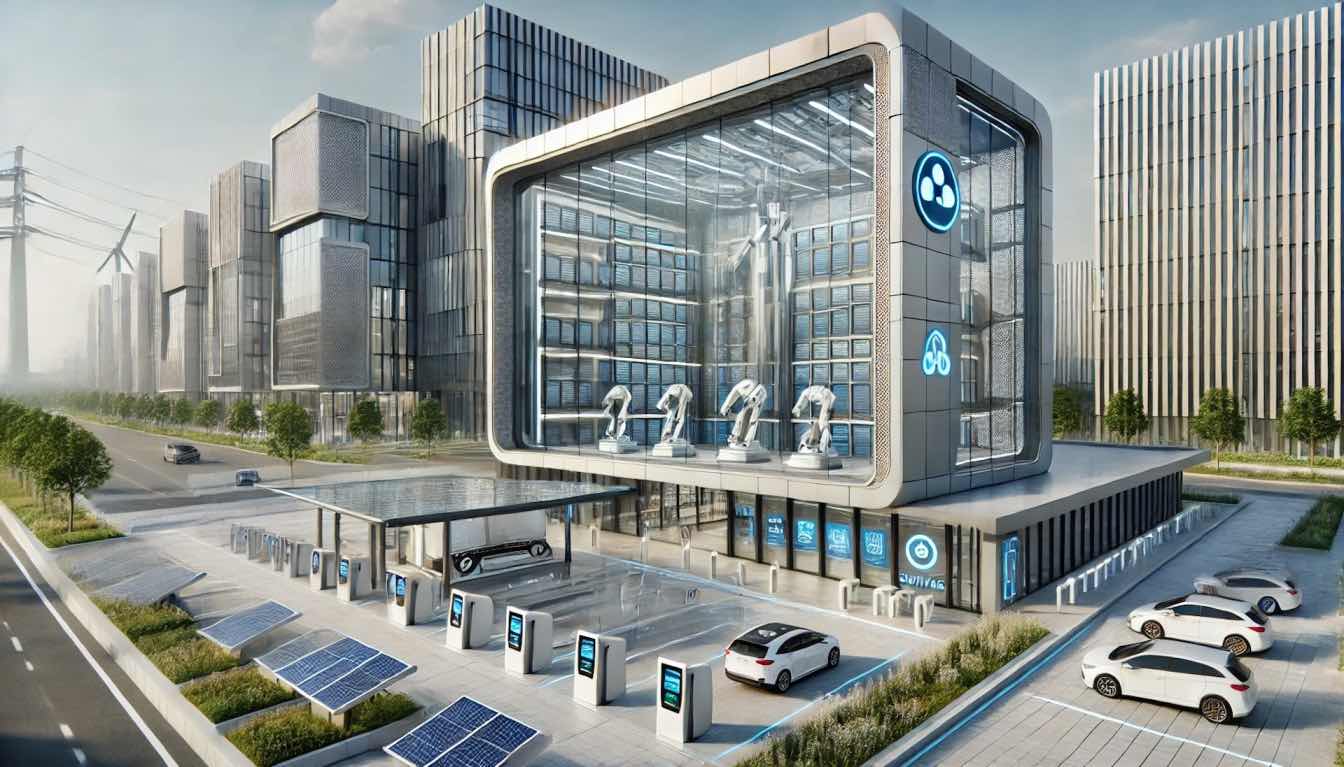
Alternative Electricity Storage Technology
Physics
Patrick Deconinck
Develop alternative storage technology lighter , more environmentally friendly and 10x more efficient than batteries
Developing alternative storage technology that is lighter, more environmentally friendly, and 10x more efficient than traditional batteries requires a multidisciplinary approach, combining advancements in materials science, electrochemistry, and engineering. One promising area of research is in supercapacitors, which store energy through electrostatic double-layer capacitance and electrochemical pseudocapacitance. Unlike batteries, which store energy through chemical reactions, supercapacitors can charge and discharge rapidly, making them ideal for applications requiring high power density. To achieve the desired efficiency, researchers are exploring novel materials such as graphene, carbon nanotubes, and transition metal oxides. Graphene, for instance, offers exceptional electrical conductivity, high surface area, and mechanical strength, making it an attractive material for supercapacitor electrodes. Another approach is to develop solid-state batteries or capacitors that replace the liquid electrolyte with a solid material, enhancing safety, energy density, and charging speed. Solid-state electrolytes can be made from a variety of materials, including ceramics, glass, and polymers, each with its own advantages and challenges. Additionally, innovative designs such as 3D-printed electrodes, nanostructured materials, and bio-inspired architectures are being explored to further enhance performance. For example, 3D printing allows for the creation of complex geometries and structures that increase surface area, reduce material usage, and improve energy density. The integration of these technologies could lead to the development of alternative storage devices that meet the requirements of being lighter, more environmentally friendly, and 10x more efficient than traditional batteries. Key performance indicators (KPIs) for such devices might include: - Energy density > 100 Wh/kg - Power density > 10 kW/kg - Cycle life > 100,000 cycles - Charging time 90% Achieving these KPIs will require continued advancements in materials science, electrochemistry, and engineering, as well as the development of scalable manufacturing processes and cost-effective production methods.
Electric vehicles: Replacing traditional batteries with this new technology could significantly increase driving ranges, reduce charging times, and make EVs more appealing to consumers.
Renewable energy systems: This alternative storage technology could enable more efficient and sustainable energy storage for solar and wind power, allowing for a greater reliance on renewable energy sources.
Grid-scale energy storage: With its high efficiency and environmental benefits, this technology could be used to stabilize and optimize the electrical grid, reducing the strain on power plants during peak hours.
Portable electronics: Lighter and more efficient energy storage could revolutionize the design of portable devices, enabling longer battery life and more compact form factors.
Aerospace and defense: The increased efficiency and reduced weight of this technology could be particularly valuable in aerospace and defense applications, where energy storage and weight are critical factors.
Remote communities and islands: This alternative storage technology could provide a reliable and sustainable source of energy for remote communities and islands, reducing reliance on diesel generators and promoting energy independence.
Data centers and emergency backup systems: The high efficiency and reliability of this technology make it suitable for data centers and emergency backup systems, where power outages can have significant consequences.
Marine applications: Lighter and more efficient energy storage could enable the development of more efficient and sustainable marine vessels, including electric and hybrid ships.
Smart cities and infrastructure: This technology could be integrated into urban infrastructure, enabling more efficient and sustainable energy management, and supporting the development of smart cities.