Seismic Monitoring Systems
Seismic Monitoring Systems
Geoscience
Patrick Deconinck
Employs networks of seismometers to record ground vibrations and volcanic tremors. These sensors detect underground magma movement and pressure buildup, allowing researchers to predict potential
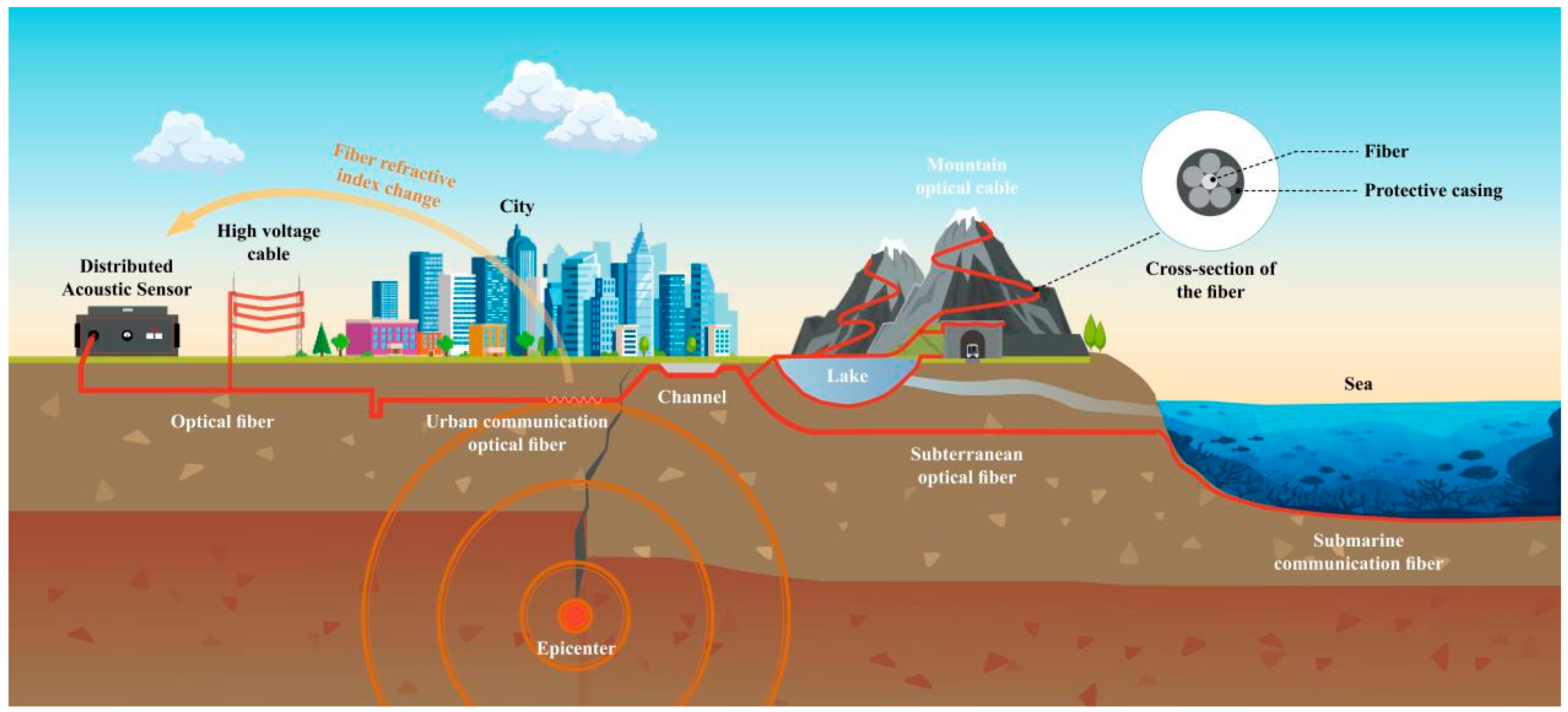
Seismic monitoring networks are comprised of arrays of seismometers strategically deployed to capture ground vibrations and volcanic tremors. These sensitive instruments convert ground motions into electrical signals, which are then processed and analyzed to provide insights into subsurface geological activities. By detecting even slight movements of underground magma and changes in pressure, researchers can infer potential volcanic eruptions. The seismometers' ability to record seismic waves generated by magma movement, gas release, and other volcanic processes enables scientists to track the dynamics of volcanic systems in real-time. Advanced data processing techniques, including machine learning algorithms and statistical modeling, are applied to identify patterns and anomalies in the seismic data, further enhancing the accuracy of eruption forecasts. Effective deployment of seismic monitoring networks requires careful consideration of sensor placement, data transmission, and noise reduction strategies to ensure high-quality data collection and minimize false positives.
early warning systems for volcanic eruptions
monitoring of underground magma movement
prediction of potential earthquakes
tracking of volcanic activity
enhanced understanding of Earth's internal dynamics
improved disaster preparedness and response
volcanic ash fall prediction and mitigation
ground deformation monitoring
seismic hazard assessment
long-term monitoring of volcanic unrest
United Nations Organization (UN)
Software
View Patent